English


Visiting Merzouga in Winter with family can be an exciting way to introduce children to Morocco’s desert landscapes, as long as you plan for cold nights and long travel distances. Winter’s milder daytime conditions may make dune walks and outdoor activities more manageable, but a desert trip still needs realistic pacing.
The best family itinerary is not the one with the most activities. It is the one that gives everyone time to eat, rest, warm up, and enjoy the dunes without feeling hurried. This guide covers family logistics, activity choices, camp questions, transport planning, and practical ways to make the experience comfortable for different ages.
Why choose winter for a family visit?
Merzouga’s winter days can be pleasant for exploring outside, while the lower heat may help children stay comfortable during a short walk or excursion. Families who find very hot weather tiring may appreciate having more usable time in the dunes.
The trade-off is the temperature after dark. Children may feel the cold sooner than adults, especially while waiting for sunset or sitting outdoors after dinner. Warm clothing should therefore be part of the main plan, not an afterthought.
- Plan active outings during the warmer part of the day where possible.
- Keep jackets, hats, and extra layers accessible during sunset transfers.
- Allow quiet time between arrival, excursions, meals, and bedtime.
- Ask accommodation providers specific questions about bedding, bathrooms, and heating.
- Choose activities based on age, confidence, and interest rather than trying to do everything.
Families comparing the whole year can use the site’s seasonal guide to the best time to visit Merzouga, while this article focuses on making a winter trip work smoothly.
How long should a family stay?
A minimum of two nights in the Merzouga area often gives families more breathing room than a rushed overnight stop. The journey to the desert can be long, depending on where you start, and children may need time to recover before a major activity.
On the first day, prioritize arrival, food, and orientation. On the second day, choose one main desert activity and one lighter cultural or local experience. A third morning can be useful for a relaxed breakfast and departure rather than squeezing in another excursion.
If you are traveling with toddlers, anyone with mobility concerns, or children who dislike long vehicle journeys, consider adding extra stops on the route. Confirm transfer duration with your driver or tour provider instead of relying only on a map.
Choosing family-friendly desert activities
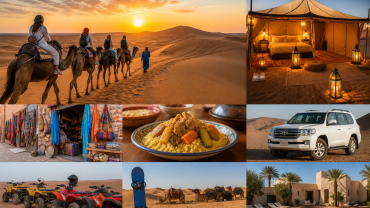
Camel rides
A camel trek is memorable for many children, but it is not comfortable for everyone. The saddle can feel unfamiliar, and mounting or dismounting requires care. Ask about the expected duration, whether shorter options are available, and how the group is supervised.
Dress children in trousers, closed shoes, and layers. A scarf can help with cool wind and sand. Keep water, snacks, sunscreen, and a warm layer in a small day bag. For a look at one available option, see the sunset camel trek to Erg Chebbi.
Dune walks
A short walk up a nearby dune may be enough for younger travelers. Sand is tiring, so let children set a comfortable pace and avoid making the highest dune the goal. Hold hands where the ground is steep or uneven, and follow the guide’s advice about the safest route.
Sandboarding
Older children and teenagers may enjoy sandboarding. The climb back to the top can be more demanding than the ride down, and falls are possible. Ask the activity provider about equipment and supervision, and make sure children understand how to stop and where to wait.
The existing Merzouga sandboarding activity page can help you decide whether it matches your family’s ages and interests.
4×4 excursions
A 4×4 trip can be a practical alternative to a longer camel ride or a way to see more of the region with fewer hours walking in sand. Confirm how much time is spent driving, whether there are stops to stretch, and what route is included. Families should also ask about seat arrangements and child-appropriate safety expectations.
Cooking and cultural activities
A cooking class or community visit can add a slower, hands-on element to the itinerary. Children may enjoy learning about bread, tea, spices, or local dishes. Encourage them to ask questions respectfully and explain that local homes and communities are not photo sets.
The Berber cooking class in Merzouga is a possible option for families who want a break from dune activities. Check suitability, duration, and dietary arrangements before booking.
What families should pack for winter
Pack one easily accessible warm outfit for every traveler, even if the afternoon feels mild. Children can become cold quickly while waiting for sunset, riding in an open vehicle, or sitting outside at camp.
- Thermal or long-sleeved base layers for evenings and early mornings.
- Fleece tops or warm sweaters that can be added and removed.
- Wind-resistant jackets, hats, gloves, and warm socks.
- Comfortable closed shoes with good grip.
- Sunscreen, sunglasses, lip balm, and a water bottle.
- Small snacks familiar to children, particularly for transfers.
- Any medication, copies of important information, and a basic first-aid supply.
- Headlamps or small torches for moving around camp after dark.
- Entertainment for long vehicle journeys, downloaded before departure.
Bring a small overnight bag for the camp if your main luggage will stay at accommodation. Put sleepwear, warm layers, toiletries, medication, and a charger in that bag. This avoids opening several suitcases in the dark or searching through luggage after a tiring transfer.
Understanding a winter desert camp
Camp arrangements vary, so ask questions before confirming the booking. Families may want to know whether the tent has a private bathroom, how hot water works, whether electricity is available, and what happens if a child becomes unwell during the night.
Ask about bedding and heating rather than assuming that all camps offer the same setup. If anyone in the family is especially sensitive to cold, request extra blankets or consider accommodation with a warmer indoor space. Keep warm clothes beside the bed instead of across the tent.
Nighttime navigation is another small but important detail. A child may need to walk to a bathroom or reception area after dark, so understand the layout and keep a torch nearby. Set simple boundaries about where children can walk without an adult.
Food, water, and routines
Travel routines often matter more to children than adults expect. Try to keep regular meal and sleep patterns, particularly after a long drive. Carry familiar snacks, but also invite children to try local food without pressure.
Tell the accommodation about allergies, intolerances, or dietary preferences before arrival. Moroccan meals commonly include bread, vegetables, soups, couscous, tagines, and tea, but exact menus differ. If your child has a serious allergy, communicate clearly and bring suitable backup food where appropriate.
Encourage children to drink water throughout the day. Dry air, walking on sand, and sun exposure can cause tiredness even in cool weather. Sunscreen and sunglasses are still useful in winter.
Transport planning for families
Merzouga is not a quick side trip from every Moroccan city. Families traveling from Marrakech or Fez may spend many hours on the road, while routes through the Atlas and other desert valleys can include winding sections. Break the journey when possible and avoid promising children an exact arrival time if road conditions may change.
Before departure, confirm pickup points, luggage arrangements, the vehicle type, and whether there will be regular stops. Keep water, snacks, warm layers, wipes, and entertainment within reach rather than in the trunk.
Arriving after dark can make the final approach confusing, particularly if the accommodation is outside the main settlement. Send your arrival details in advance and make sure someone knows where to meet you. If you are driving independently, download directions and do not rely entirely on a mobile signal.
A relaxed three-day family itinerary
Day one: arrive and settle in
Use the first day to arrive, eat, and get familiar with the accommodation. If everyone has energy, take a brief walk near the dunes or watch the sunset from an easy viewpoint. Do not feel obliged to begin with the longest camel ride.
Day two: one main adventure
Choose a camel trek, 4×4 excursion, or sandboarding session as the main activity. Return for lunch or a rest period, then add a short cultural visit or quiet time. If you plan to stargaze, let children sleep first and keep the session brief and warm.
Day three: depart comfortably
Have breakfast without rushing, check the room and vehicle for small belongings, and begin the next transfer with snacks and layers ready. If the onward drive is long, treat the journey itself as the day’s main plan.
Safety and comfort habits
Stay close to your guide in the dunes, especially around sunrise and after dark. Sand ridges can look similar, and children may not recognize how quickly a group can become separated. Set a clear meeting point and explain that no one should walk away from the group alone.
Supervise children near animals, vehicles, steep dune slopes, and cooking or heating areas. Follow the instructions of camel handlers and activity guides. Avoid climbing unstable surfaces or running down crowded slopes.
Keep valuables minimal and make sure every child knows an adult’s name and accommodation details. A simple card with a parent’s phone number can be useful for younger children, provided it is kept private.
Respectful family travel in Merzouga
Use the trip as an opportunity to teach children how to visit respectfully. Ask before taking photographs, greet people politely, and explain that local music, food, and traditions belong to real communities. Avoid giving sweets or money directly to children unless a trusted local arrangement recommends it.
Choose guides and experiences that explain the region rather than presenting it as an empty adventure playground. Leave no litter in the dunes, use water thoughtfully, and keep noise low at night so other guests and local residents can enjoy the desert.
Families interested in the area’s musical heritage can read about a respectful Khamlia village visit before adding it to their route.
Common mistakes when traveling with children
- Assuming warm afternoons mean warm camp nights.
- Booking a long camel ride without checking children’s comfort or age.
- Planning a major activity immediately after a full day of driving.
- Leaving snacks, medicine, or warm clothes in checked luggage.
- Trying to fit every desert activity into one day.
- Failing to ask about bathrooms, heating, electricity, or bedding.
- Photographing local people without explaining consent to children.
For additional planning reminders, see Common Mistakes to Avoid in Merzouga.
Is visiting Merzouga in winter suitable for families?
Visiting Merzouga in winter can work very well for families who prepare for cold nights, allow plenty of travel time, and choose a manageable number of activities. The desert offers memorable experiences at many ages, from simple dune walks and sunsets to camel rides, cooking, and stargazing.
Keep the itinerary flexible, pack layers in your day bag, and ask detailed questions before booking a camp or excursion. When children are warm, rested, fed, and included in the experience, the Sahara becomes much easier to enjoy together.
Frequently Asked Questions
Is Merzouga suitable for children in winter?
It can be, especially for families who plan rest periods and pack warm clothing. Choose activities according to each child’s age, confidence, and tolerance for long journeys and cold nights.
What is the best family activity in Merzouga?
There is no single best option for every family. Short camel rides, dune walks, 4×4 excursions, cooking activities, and sandboarding can all work when matched to the children’s ages and interests.
Should families stay in a desert camp in winter?
A camp can be memorable, but ask about bedding, heating, bathrooms, hot water, electricity, and access after dark before booking. Pack warm sleepwear and keep it accessible.
How can families make the journey to Merzouga easier?
Break up long drives where possible, carry snacks and water within reach, download entertainment, plan regular stops, and confirm pickup points and arrival arrangements in advance.