English


Introduction: Planning a 3 Days Tour in Merzouga City
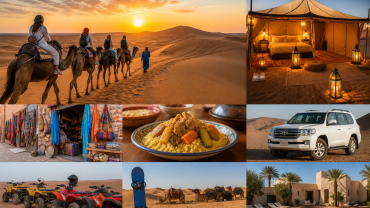
A 3 days tour in Merzouga city is a memorable way to experience the Sahara without rushing through the desert. Merzouga is a small desert destination in southeastern Morocco, best known as a gateway to the Erg Chebbi dunes. Here, golden sand, wide horizons, traditional villages, and clear night skies create a very different atmosphere from Morocco’s busy imperial cities.
See our 3-day Merzouga desert tour for full itinerary and booking details.
This itinerary is designed for travelers who want a balanced desert experience. It includes time to arrive and settle in, a camel or dune excursion, a night in a desert camp, and opportunities to learn more about local life. You can follow it as part of a longer road trip or use it as a guide when arranging a private or shared excursion from another Moroccan destination.
Before booking, remember that Merzouga is a desert village rather than a large city. Services are spread between the village, nearby accommodation areas, and the dunes. That relaxed setting is part of its appeal, but it also means that transport, meals, and activities should be arranged thoughtfully. With a little planning, your 3 days tour in Merzouga city can be comfortable, scenic, and genuinely enjoyable.
What to Expect from a Merzouga Desert Trip
Merzouga offers a slower travel rhythm than Marrakech or Fes. The main experiences take place outdoors, often in strong sun and dry air. During the day, you may explore dunes, visit a nearby community, or relax at your accommodation. In the evening, the focus shifts to sunset, dinner, music, and stargazing.
A typical desert itinerary may include a camel ride, although walking beside the camels or using a 4×4 vehicle can be more comfortable for some travelers. Activities vary by operator and accommodation, so ask what is included before confirming your plans. Details such as luggage storage, transfers, meals, bedding, and bathroom arrangements can differ between camps.
The journey to Merzouga is also part of the experience. Roads cross the changing landscapes of Morocco, including mountain passes, valleys, dry plateaus, and small settlements. Travel times can feel long, especially if you are coming from Marrakech or Fes, so allow room for stops and avoid planning a packed schedule on arrival.
Day 1: Arrive in Merzouga and Settle into the Desert
Arrive with time to relax
On the first day, aim to reach Merzouga early enough to check in, eat, and rest before your desert activity. If you are driving independently, keep your route flexible because road conditions, sightseeing stops, and mountain traffic can affect the schedule. If you are traveling with a tour company, confirm your meeting point and whether your accommodation is in Merzouga itself or in a nearby area.
After arrival, take some time to understand the layout of the area. Ask your host about the nearest shops, meeting points, and the plan for the following day. A quiet first afternoon is useful after a long road journey and helps you adjust to the heat and dry climate.
Enjoy a first look at Erg Chebbi
Later in the afternoon, head toward the dunes for your first view of Erg Chebbi. Depending on your arrangement, you may travel by vehicle, walk a short distance, or begin a camel excursion. The dunes change color as the sun moves lower, making late afternoon a pleasant time for photographs.
Be considerate when taking pictures. Ask before photographing people, especially children, and avoid entering private areas or disturbing camp setups. The desert may look empty, but it is a lived-in landscape connected to nearby communities and traditional routes.
Spend the evening at your accommodation
Return to your guesthouse or spend the night at a desert camp, depending on your booking. A camp evening commonly includes a meal and time outside beneath the sky. Rather than expecting a fixed entertainment schedule, treat the evening as an opportunity to enjoy the quiet, listen to local music if offered, and watch the stars.
Temperatures can fall after sunset, even when the afternoon is hot. Keep a warm layer within reach, and charge your phone or camera before leaving the village if your camp has limited electricity. Try to sleep early if you have a sunrise activity planned.
Day 2: Camel Time, Sunrise, and Local Desert Life
Watch the sunrise over the dunes
Start the second day with sunrise if your energy and schedule allow. The soft morning light reveals the shapes of the dunes and is often more comfortable for walking than the middle of the day. Wear closed shoes or secure sandals, as loose sand can be difficult to cross barefoot for long periods.
After sunrise, return for breakfast and take a break. Desert activities are more enjoyable when you do not try to stay outside continuously during the hottest hours. Drink water throughout the morning and use sun protection even when the sky looks hazy.
Choose a camel, walking, or 4×4 experience
A camel excursion is one of the best-known activities in Merzouga. The ride is usually taken at a relaxed pace across the sand, with time to stop for photographs. Camels can be challenging to mount and dismount, so tell your guide if you have back, knee, or mobility concerns. You should also ask whether a shorter ride or a vehicle-based alternative is available.
If you prefer more independence, a guided walk on the dunes can be rewarding. Walking offers a closer sense of the landscape, although sand makes distances feel longer than expected. A 4×4 excursion may suit travelers who want to see more of the surrounding area or who find camel riding uncomfortable.
Learn about nearby communities and culture
Use part of the day to learn more about the people and traditions of the region. Depending on local arrangements, you may visit a village, hear music, see handmade products, or stop at a place connected with the area’s nomadic and desert heritage. Experiences differ, so choose activities that are presented respectfully and transparently.
When buying crafts or souvenirs, ask about the item and its maker rather than treating the visit as a quick photo stop. Small purchases from local artisans can be a meaningful way to support the community, but only buy what you genuinely want to take home.
Relax during the warmest part of the day
Return to your accommodation for lunch and downtime. Many travelers underestimate how tiring desert heat can be. Use the afternoon to read, swim if your accommodation has a pool, organize photographs, or simply rest in the shade.
In the late afternoon, you can return to the dunes for another walk or sunset. This gives you the chance to appreciate the landscape without the pressure of a single short photo stop. End the day with dinner and another quiet night in Merzouga or at a desert camp.
Day 3: A Slow Morning and Departure
Enjoy one last desert morning
Wake early for a final walk or a peaceful view of the dunes. If you stayed at a camp, follow the agreed departure plan and make sure you have collected all personal items, including chargers, water bottles, and small bags. Sand can easily hide belongings, so check your sleeping area carefully.
After breakfast, return to Merzouga or your next transport point. This is a useful time to buy snacks and refill water before the next long road section. If your onward journey is to Fes, Marrakech, Ouarzazate, or another destination, confirm the expected travel time and planned stops with your driver or tour provider.
Add a final cultural or scenic stop
If you have extra time before departure, ask locally about a nearby scenic or cultural stop. Options may include a viewpoint, a small settlement, or a natural feature in the wider desert region. Do not add a distant attraction unless you have checked the route carefully, since a short-looking journey on a map can take much longer on desert roads.
For travelers with a private vehicle, a flexible departure can make the day more enjoyable. For those on a shared tour, be ready at the agreed time and keep your luggage compact so that transfers run smoothly.
Best Time for a 3 Days Tour in Merzouga City
The most comfortable periods for a 3 days tour in Merzouga city are generally the milder seasons, especially spring and autumn. Days can be pleasant for outdoor activities, while evenings may still feel cool. Winter often brings comfortable daytime temperatures but colder nights, so warm clothing is important. Summer can be extremely hot during the day, making early morning and late afternoon the best times for activities.
Weather varies from year to year, and desert conditions can change quickly. Check the forecast shortly before your trip and ask your accommodation about current conditions. If you are sensitive to heat, avoid planning several long outdoor activities in the middle of the day.
Sunrise and sunset times change throughout the year. Confirm the meeting time for camel excursions and ask how long the activity lasts. Good planning helps you enjoy the light without needing to hurry across the dunes.
Practical Tips for Travel to Morocco and Merzouga
Plan the route realistically
Merzouga is far from Morocco’s major international arrival points. A trip from Marrakech or Fes may involve a long drive, while arriving from Ouarzazate, Tinghir, or another desert destination can be more manageable. Consider breaking up the journey if you prefer a slower travel style. Scenic routes are rewarding, but long hours in a vehicle can be tiring.
When comparing tours, look beyond the headline itinerary. Ask whether transport, meals, accommodation, camel time, and transfers are included. Confirm what type of room or tent you will use and whether bathroom facilities are private or shared. Clear questions before departure can prevent misunderstandings.
Pack for sun, sand, and temperature changes
- Bring lightweight clothing that covers your shoulders and legs when appropriate for the local setting.
- Pack a warm layer for evenings and winter nights.
- Use sunglasses, sunscreen, and a hat or scarf to protect yourself from the sun.
- Wear comfortable shoes that are secure in loose sand.
- Carry a reusable water bottle and any personal medicines you need.
- Keep a small day bag for your phone, camera, documents, and valuables.
- Bring a portable charger if you expect limited access to electricity.
Respect the environment and local customs
Take rubbish with you, avoid leaving plastic or food in the dunes, and use water carefully. The desert is fragile, and small amounts of waste can remain visible for a long time. Follow guidance from your host or guide about where to walk and where vehicles may travel.
Morocco is culturally diverse, and Merzouga has its own local traditions. Dress comfortably but respectfully, ask permission before photographing people, and learn a few basic greetings. A friendly attitude and patience will improve your interactions far more than trying to rush through every activity.
Prepare for connectivity and payments
Mobile coverage and internet access can vary between accommodations and desert camps. Download important directions, booking details, and entertainment before leaving larger towns. Keep key contact information available offline. Carry a suitable mix of payment methods, since smaller businesses may not offer the same payment options as larger hotels, although conditions vary by place.
Where to Stay During Your Merzouga Itinerary
You can choose between accommodation in or near Merzouga and a desert camp closer to the dunes. A guesthouse or hotel can be convenient for travelers who want easier access to shops, road transport, and familiar facilities. A camp offers a stronger sense of being in the Sahara and may be the highlight of the trip, especially when combined with sunset or sunrise.
There is no single best option for everyone. Couples may prefer a quieter camp, families may prioritize practical bathrooms and easy transport, and budget travelers may focus on shared facilities and included meals. Read the description carefully and ask specific questions about room type, heating or cooling, luggage transfer, and the distance from the vehicle drop-off point.
How to Make the Most of Three Days
The key to a successful itinerary is leaving space between activities. Merzouga is not a destination that rewards constant rushing. Choose one main experience for each part of the day, then allow time for meals, rest, photographs, and unexpected conversations.
It is also worth deciding what kind of desert experience you want before booking. Some travelers want a traditional, active trip with walking and local visits. Others prefer a comfortable camp, private transport, and plenty of downtime. Both approaches can work, but your accommodation and transport choices should match your priorities.
If your schedule changes, keep the most important experiences rather than trying to fit everything in. A calm sunset, a thoughtful cultural visit, or a quiet sunrise may be more memorable than several rushed stops.
Conclusion: Is a 3 Days Tour in Merzouga City Right for You?
A 3 days tour in Merzouga city is a practical introduction to Morocco’s desert landscapes. It gives you enough time to experience the dunes, enjoy a camel or vehicle excursion, spend an evening under the stars, and learn more about local life without turning every hour into a transfer.
Plan your route carefully, pack for both heat and cold, choose activities that suit your comfort level, and confirm what your tour includes. Whether Merzouga is one stop on a wider travel to Morocco itinerary or the main focus of your trip, the best experience comes from slowing down and appreciating the desert on its own terms.
Start by choosing your travel dates, deciding how you want to reach Merzouga, and finding accommodation that fits your style. With realistic timing and respectful travel habits, your Sahara adventure can become one of the most distinctive parts of your Moroccan journey.
Frequently Asked Questions
Is three days enough for Merzouga?
Yes. Three days can cover arrival, a desert excursion, a camp or guesthouse stay, sunrise, and time for local experiences. Allow extra days if you want a slower road journey.
What is included in a typical Merzouga desert tour?
Inclusions vary, but tours may cover transport, accommodation, meals, camel time, and a desert camp. Confirm each item before booking.
Can I visit Merzouga without riding a camel?
Yes. You can ask about walking or 4×4 options. Tell your guide about mobility or comfort concerns in advance.
What should I wear in Merzouga?
Wear light, breathable clothing for daytime, comfortable shoes for sand, sun protection, and a warm layer for cool evenings and winter nights.
When is the best time to visit Merzouga?
Spring and autumn are often comfortable for outdoor activities. Winter has cold nights, while summer can be very hot during the day.