English


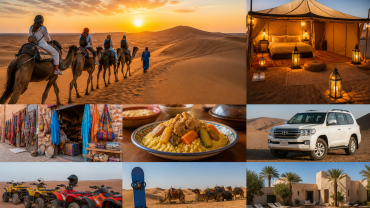
Visiting Merzouga in Winter can be especially rewarding for photographers, stargazers, and travelers who enjoy quiet landscapes. The Erg Chebbi dunes change character throughout the day: blue shadows at dawn, warm ridges in the afternoon, and dark skies after sunset.
Winter photography in the Sahara is not only about finding a dramatic viewpoint. It also involves protecting equipment from sand, keeping yourself warm during long waits, and photographing people and communities respectfully. This guide focuses on planning a visual, low-stress Merzouga experience without treating the desert as a backdrop detached from local life.
Why winter works well for desert photography
Winter gives photographers a useful range of light and temperature. The sun stays lower than in the hottest part of the year, which can emphasize the curves and shadows of the dunes. Cooler daytime conditions also make it easier to stay outside with a camera for longer periods.
Winter does not guarantee cloudless skies or identical conditions every day. Wind can soften or reshape dune patterns, and haze may affect distant views. That variation is part of the landscape. Plan around light rather than expecting a single perfect photograph.
- Dawn: Long shadows reveal the shape of dune ridges and footprints.
- Morning: Cooler light and lower activity levels can suit details, textures, and wide landscapes.
- Afternoon: Side light becomes more interesting as the sun begins to fall.
- Sunset: Warm tones and elongated shadows create strong layers across the sand.
- Night: Winter darkness can offer excellent conditions for stargazing when skies are clear.
If you are comparing seasons before booking, use the existing Merzouga month-by-month guide alongside this photography-focused plan.
Plan around the light, not just the activity
Sunrise and sunset times change during winter, so confirm the day’s schedule with your guide or accommodation. A camel trek that sounds like a sunset experience may begin well before the sun reaches the horizon. That is useful: the approach lets you photograph changing light instead of arriving at the final moment.
For sunrise, decide whether you want to photograph from camp, walk to a nearby dune, or travel to a more distant viewpoint. A nearby location may be the better choice when temperatures are low or when you need to depart early. Ask about the return route and breakfast timing before setting an alarm.
Allow more time than you think for setup. Sand makes tripods, lens changes, and careful composition slower. A simple plan with one or two locations will usually produce a more relaxed experience than crossing large sections of the dunes while chasing every change in color.
What to photograph around Erg Chebbi
Dune patterns and footprints
Wind creates fine lines and changing textures across the sand. Look for the contrast between untouched ripples and the tracks left by people or animals. Do not move into fragile patterns simply to create a cleaner frame. A good guide can help you find an appropriate viewpoint without damaging the surface.
Light on the ridges
Wide compositions are not the only option. Use a telephoto or portrait lens to isolate a ridge, shadow, or distant figure. The repetition of dunes can make scale difficult to judge, so including a person, camel, or vehicle—with permission and an appropriate distance—can communicate the size of the landscape.
Camp details
Photographing camp life can add context: a tea service, fabric textures, a cooking area, or lantern light. Ask before photographing staff or other guests, and avoid turning private moments into images without consent. If you are traveling with children, check with parents before taking or sharing photographs.
Local communities
Merzouga is more than sand dunes. Nearby communities, including Khamlia, have their own histories, music, work, and daily routines. A respectful visit starts with listening. Ask whether photography is welcome, clarify whether a performance or experience has a fee, and do not photograph people secretly.
For cultural background and planning ideas, read the guide to music and traditions of Khamlia.
Winter camera and phone preparation
You do not need professional equipment to make strong desert photographs. A phone can capture color, silhouettes, and wide views effectively. The most important preparation is keeping equipment protected and batteries available.
- Carry a soft brush or blower for loose sand; avoid wiping dry grains across a lens.
- Use a sealed pouch or bag when changing lenses or moving through windy areas.
- Bring spare batteries or a power bank, especially for cold sunrise and night sessions.
- Keep memory cards and batteries in a protected inner pocket.
- Use a lens hood where suitable to reduce glare and protect the front element.
- Clean equipment only in a sheltered place, not while wind is blowing sand.
- Enable location information only if you are comfortable sharing it, particularly for personal photographs.
Cold can shorten battery life. Keep spare batteries warm inside a pocket, but protect them from moisture and rough handling. At the end of the trip, clean sand from bags, zips, and tripods before placing equipment in a vehicle or suitcase.
Stargazing during a winter desert stay
Merzouga’s open desert setting makes nighttime sky observation a popular reason to stay outside the village. The quality of stargazing depends on cloud, haze, moonlight, nearby artificial light, and your camp’s location. A clear moonless night is not guaranteed, so treat the sky as a natural experience rather than a promised spectacle.
Winter nights can be cold enough to end a stargazing session early. Wear your full warm layer, bring a hat and gloves, and use a red-light setting if your torch has one. Red light helps preserve night vision and is less disruptive to other guests.
Consider booking a guided experience if you want explanations of visible stars and planets. The existing Sahara stargazing night in Merzouga page can help you evaluate whether a dedicated astronomy activity fits your plans.
Simple night photography tips
Start with a stable tripod and a fully charged battery. Focus carefully before the sky becomes completely dark, then check the result on the screen rather than assuming it is sharp. Keep exposures and settings simple at first. If you photograph a person or tent under the stars, ask permission and use only enough light to show the subject without disturbing the atmosphere.
Never wander far from camp alone at night. Dunes can be difficult to navigate in darkness, and equipment can make you less aware of your surroundings. Follow camp guidance and keep track of your route.
Combining photography with a winter itinerary
Day one: arrival and a gentle sunset
Arrive with time to settle in and protect your equipment before the evening excursion. A sunset camel trek or short 4×4 ride can introduce the landscape without exhausting you. Keep your warm jacket accessible as soon as the sun begins to fall.
Day two: sunrise, rest, and exploration
Photograph sunrise from a safe, agreed location, then return for breakfast and a warm drink. Use the late morning for rest or a village excursion. In the afternoon, revisit the dunes with a different lens or focus on details rather than repeating the same wide composition.
Day three: final images and departure
If your route allows, take a short morning walk near your accommodation. Avoid scheduling a distant photography stop immediately before a long transfer. A relaxed departure protects both your travel plan and your equipment.
Travelers who want a wider activity mix can also consider a quad biking desert safari, but protect cameras from vibration and sand and confirm whether carrying equipment is practical.
Respectful photography in Merzouga
Travel photography carries responsibility. Ask before photographing people, especially children, workers, musicians, and people in private settings. A smile is not always consent. If someone declines, accept the answer immediately.
Do not climb on restricted structures, remove objects from the landscape, or disturb wildlife for a photograph. Avoid flying a drone unless you have independently confirmed that its use is permitted for your situation; rules and restrictions can change, and responsible travel means not assuming permission.
When sharing images online, consider whether captions accurately describe the people and place. Merzouga has a living culture and economy, not merely an empty landscape for visitors to consume.
Practical winter comfort for photographers
Wear layers that allow you to operate a camera. Bulky gloves can make controls difficult, while thin liner gloves under warmer gloves can provide a compromise. A scarf protects against wind and can be useful when sand blows across an open ridge.
Drink water, take breaks, and eat before long sunrise or sunset sessions. Cold can hide the sensation of dehydration. Keep your camera bag light enough to carry over sand and avoid leaving gear in a hot vehicle during the day.
Is visiting Merzouga in winter right for a photography trip?
Visiting Merzouga in winter suits travelers who enjoy changing light, cool outdoor conditions, and cold but atmospheric nights. It is a good fit for thoughtful landscape photography, stargazing, and cultural documentation. It is less suitable for anyone expecting guaranteed clear skies or wanting to travel without warm clothing.
Build your trip around patience: wait for the light, protect your equipment, ask permission, and leave enough time to experience the desert without a camera in front of you. That balance will produce better memories as well as better photographs.
Frequently Asked Questions
Is winter a good season for photography in Merzouga?
It can be. Cooler daytime conditions and low seasonal sunlight offer strong dune shadows and changing textures, although wind, haze, clouds, and moonlight remain variable.
How do I protect a camera from sand in Merzouga?
Carry a soft brush or blower, avoid changing lenses in wind, use a protective bag, and clean equipment in a sheltered place. Keep spare batteries protected and warm.
Can I photograph local people in Merzouga?
Ask for permission first, particularly when photographing children, workers, musicians, or private moments. Respect a refusal and avoid treating residents as scenery.
Is winter stargazing in Merzouga cold?
Yes. Temperatures can fall sharply after sunset. Wear warm layers, a hat, and gloves, and follow camp guidance instead of walking far into the dunes alone.