English


Choosing the Best Time to Visit Merzouga depends on what you want from the Sahara. Some travelers prioritize comfortable temperatures for walking among the Erg Chebbi dunes, while others want a quieter camp, dramatic sunsets, or the clearest possible night sky. Merzouga is an all-year destination, but the experience changes noticeably between the cool season, spring, hot summer, and autumn.
For the full seasonal picture beyond sandstorm risk, see our complete guide to the best time to visit Merzouga.
This guide explains what to expect throughout the year, how weather affects desert activities, and how to choose travel dates that suit your pace. Whether you are planning a short stay or adding Merzouga to a wider Morocco itinerary, the right season can make your desert visit more comfortable and rewarding.
Best Time to Visit Merzouga at a Glance
For many visitors, the most comfortable periods are spring and autumn, particularly around April to May and October to November. Days are generally suitable for outdoor activities, and evenings are often pleasant enough for sitting outside a desert camp. These periods can also be popular, so it is wise to reserve accommodation and activities ahead of time.
- Best overall: Spring and autumn for a balance of daytime comfort and enjoyable evenings.
- Best for cool-weather desert walks: Winter, especially during the warmer middle part of the day.
- Best for long, warm evenings: Summer, if you are comfortable planning activities around sunrise and sunset.
- Best for a quieter atmosphere: Shoulder-season dates, avoiding school holidays and major travel periods where possible.
There is no single perfect month for everyone. A traveler who dislikes heat may prefer winter, while someone who wants warm evenings and does not mind early starts may enjoy summer.
Merzouga Weather Through the Seasons
Spring: March to May
Spring is one of the most appealing times to visit Merzouga. Daytime temperatures are often manageable for exploring, and the desert landscape can feel especially inviting after the cooler winter months. Early spring evenings may still feel cold, while late spring becomes progressively warmer.
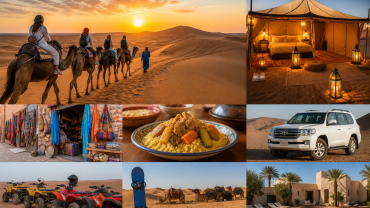
Spring is a good choice for travelers who want to combine outdoor sightseeing with activities such as a camel trek, dune walk, or quad-bike excursion. Schedule active experiences for the morning or late afternoon, when the light is softer and the sand is less intense than at midday.
Pack layers rather than relying only on warm-weather clothes. A light jacket or fleece can be useful after sunset, and a scarf can help protect your face from sun and wind. Spring can be busy around holidays, so check accommodation availability before confirming transport.
Summer: June to August
Summer in Merzouga is hot, particularly during the middle of the day. That does not make a desert visit impossible, but it does change the way you should plan it. Sunrise, sunset, and nighttime are usually the most comfortable windows for sightseeing and activities.
During summer, avoid building a full day of walking or sightseeing around the dunes. Rest during the hottest hours, drink water regularly, wear loose breathable clothing, and choose accommodation with a comfortable indoor space or shade. A private transfer or vehicle-based excursion can also make the day easier.
The reward for traveling in summer can be a slower, more relaxed rhythm and warm evenings beneath the stars. Before booking, ask your accommodation or activity provider how the daily schedule is adapted to seasonal heat. Conditions can vary, and local guidance is more useful than a fixed timetable.
Autumn: September to November
Autumn is another strong option for a Merzouga trip. September can still feel very warm, while October and November usually bring more comfortable conditions for outdoor adventures. The change is gradual, so travelers who want warmth without the strongest summer heat often look toward the middle or end of the season.
Autumn works well for a first desert visit because it supports a wide range of plans: camel rides at sunset, time around a camp, photography, dune walks, and visits to nearby communities. The lower angle of the sun can create attractive shadows across the dunes, especially around sunrise and sunset.
As with spring, autumn is popular. Book your preferred camp and transport arrangements early if your dates fall during a holiday period. If you are staying for more than one night, you will have more flexibility to move activities around changing weather.
Winter: December to February
Winter brings some of the coolest conditions to the Sahara. Daytime can be comfortable for exploring when the sun is up, but temperatures can drop sharply after sunset and before sunrise. The contrast between warm sunlight and cold nighttime air is one of the most important things to prepare for.
Winter is a good fit for travelers who prefer cooler daytime conditions and do not mind packing extra layers. Bring a warm coat, socks, closed shoes, and clothing that can be added or removed easily. Ask your camp what heating arrangements are available rather than assuming every tent or common area is set up the same way.
Sunrise camel treks and early-morning dune walks can feel very cold in winter, but they can also be peaceful and visually beautiful. Give yourself time to warm up before setting out, and keep a warm layer accessible rather than buried in your main luggage.
Choosing the Best Time for Popular Merzouga Activities
Camel treks and dune walks
A camel trek is often most comfortable around sunset or sunrise, when the light is gentle and the heat is lower than in the middle of the day. In winter, add warm clothing for the ride; in summer, carry water and protect your head, neck, and arms from the sun.
If you prefer to explore on foot, ask about the route and duration before booking. Sand walking is more demanding than it appears, and the surface can become hot. Short walks with regular breaks are sensible in warm weather.
You can compare the atmosphere of a sunset ride with the broader options in the sunset camel trek to Erg Chebbi experience. The best date is the one that gives you comfortable conditions and enough time to reach the dunes without rushing.
Stargazing
Merzouga is well known for its wide desert sky, but stargazing quality depends on more than the season. Cloud cover, moonlight, dust, and nearby artificial light can all affect what you see. A moonless or partly moonless night may reveal more faint stars, while a bright moon creates a different, atmospheric view of the dunes.
Winter nights can be particularly cold, so bring a jacket even if the afternoon felt warm. Summer evenings are easier for sitting outside for longer, but you may still want a light layer. A dedicated Sahara stargazing night in Merzouga can be useful if you want local guidance rather than simply looking up from your camp.
Sandboarding and quad biking
For active adventures, shoulder seasons are usually the easiest compromise. Spring and autumn provide more comfortable conditions for spending time on exposed dunes. In summer, arrange activities for early morning or late afternoon. In winter, remember that wind can make an open dune environment feel colder than the temperature suggests.
Before booking, confirm what is included, where the activity begins, how long it lasts, and what clothing or footwear is recommended. You can also consider sandboarding in Merzouga or a quad biking desert safari if you want a more energetic way to experience the dunes.
Is Merzouga Worth Visiting in the Hot Season?
Yes, provided you plan around the heat. Summer travelers should avoid assuming that every activity will feel the same as it does in spring or autumn. Early starts, long breaks, shade, water, and flexible scheduling are essential.
Summer can suit travelers with limited date choices, photographers who want strong light, and visitors who prefer warm nights. It may be less suitable for anyone sensitive to heat or hoping to spend many hours walking in open dunes during the afternoon. If your itinerary is fixed, speak with your host before arrival so you understand the seasonal schedule.
How Long Should You Stay in Merzouga?
A single night can give you a taste of the dunes, but two nights allow a more relaxed experience. With an extra day, you can enjoy a sunset or sunrise activity, rest during the hottest or coldest part of the day, and explore without treating the desert as a rushed stop between cities.
For help organizing your time, review this 3 days tour in Merzouga City. It can help you think about the order of activities, although your exact schedule should still reflect the season and your transport plans.
What to Pack for Merzouga
- Light, breathable clothing for daytime and layers for evening.
- A warm jacket in winter and a light fleece or jacket in spring and autumn.
- Sun protection, including sunglasses, sunscreen, and a hat or scarf.
- Comfortable closed shoes with reliable grip for sand and uneven ground.
- A reusable water bottle and any personal medicines you need.
- A small day bag for activities, leaving larger luggage at your accommodation when appropriate.
- A power bank, because charging access may not be convenient during every part of your journey.
Respectful, loose-fitting clothing is practical in a rural desert setting and helps protect you from the sun. Ask your accommodation whether towels, blankets, and other useful items are provided so you do not overpack.
Other Planning Factors to Consider
Weather is only one part of choosing when to visit. School holidays, public holidays, group tours, and local events can affect availability and the overall atmosphere. Religious observances such as Ramadan also move through the calendar, so daily routines and dining arrangements may differ. Travelers should check current local information and remain considerate of changing schedules.
Allow extra time for long road journeys into the desert. If you are arriving from another Moroccan city, avoid booking a late activity immediately after a lengthy transfer. A buffer gives you room for traffic, rest stops, and delays without turning your first evening into a race.
Final Advice for Choosing Your Dates
The Best Time to Visit Merzouga is usually spring or autumn if you want the most balanced conditions for outdoor activities. Choose winter if cool days and crisp nights appeal to you, or summer if you can organize your plans around sunrise, sunset, and shade.
Whatever season you choose, the most enjoyable desert visit is one with realistic expectations. Pack for temperature changes, leave room in your schedule, and confirm activity details before arrival. When you are ready to plan your stay, visit the Merzouga Explorer home page to explore available experiences and accommodation options.
Frequently Asked Questions
What is the best month to visit Merzouga?
April, May, October, and November are often comfortable choices for outdoor activities. Conditions vary, so check the forecast and your accommodation’s advice before traveling.
Can I visit Merzouga in summer?
Yes. Plan activities for early morning or late afternoon, drink water regularly, seek shade during the hottest hours, and confirm seasonal schedules with your host.
Is Merzouga cold at night?
It can be, especially in winter and during the hours before sunrise. Pack layers year-round and bring a warm jacket for overnight desert stays.
How many nights should I spend in Merzouga?
One night is possible, but two nights give you more time for activities, rest, and changing plans around heat, cold, or travel delays.
This is part of our complete guide to the best time to visit Merzouga, covering weather, crowds, and activities month by month.