English


Merzouga shoulder season — March, April, October, and November — is when the Sahara gives you the best version of itself: warm but not brutal days, cool but not freezing nights, and a noticeably thinner crowd at the dunes compared to the winter holiday rush. If you can pick your travel dates freely, these four months are consistently the answer locals and repeat visitors give when asked when to go.
Key Takeaways
- Merzouga shoulder season spans March–April and October–November, with daytime highs of roughly 26–30°C and overnight lows of 11–15°C — comfortable at both ends of the day.
- Shoulder season avoids both summer’s 40°C+ heat and winter’s near-freezing desert-camp nights, without the peak-week crowding of the Christmas and New Year holidays.
- April and October are the strongest single months; late March and early November are close seconds with slightly wider temperature swings.
- Camps and popular tours still get busy on shoulder-season weekends — book at least 1–2 weeks ahead for the best availability.
- Every activity — camel trekking, sandboarding, 4×4 excursions, stargazing — works at its best without special timing restrictions during these months.
Ready to book? See our 3-Day Marrakech to Merzouga Desert Tour.
Table of Contents
Why Merzouga Shoulder Season Beats the Extremes
Summer and winter each force a compromise. Summer (June–August) pushes daytime highs past 39°C, forcing every outdoor activity into a narrow sunrise-or-sunset window. Winter (December–February) solves the heat problem but replaces it with desert-camp nights that can drop to 6°C, and stacks the year’s highest crowds into the Christmas and New Year weeks. Shoulder season sidesteps both problems: daytime highs stay comfortable enough for a midday 4×4 excursion, and nights are cool without requiring serious cold-weather gear.
| Month | Avg. daytime high | Avg. overnight low |
|---|---|---|
| March | 26°C (79°F) | 12°C (54°F) |
| April | 29°C (84°F) | 15°C (59°F) |
| October | 30°C (86°F) | 17°C (63°F) |
| November | 24°C (75°F) | 11°C (52°F) |
Source: Weather-and-Climate.com Merzouga climate averages, cross-referenced with meteoblue’s 30-year modeled dataset. Every shoulder-season month sits inside a roughly 15°C day-to-night range that most travelers find easy to pack for with simple layering, compared to a 20°C+ swing in July or a near-freezing winter night.
March: The Opening Weeks of Shoulder Season
Early March can still carry a trace of winter chill, especially at night, but by mid-month the desert has clearly turned a corner. Daytime highs around 26°C make full-day itineraries comfortable, while nights around 12°C are cool enough for a jacket but far from the cold of January. March is a strong pick if you want shoulder-season comfort but slightly lower prices and thinner crowds than the more popular April dates.
April: The Strongest Single Month
April is where Merzouga shoulder season peaks in popularity, and for good reason. Daytime highs around 29°C support any activity at any hour, and 15°C nights are comfortable for sitting outside a desert camp well past sunset without heavy layers. The trade-off is that April is also the busiest shoulder-season month — camps and popular tours can fill up, so book ahead if your dates are fixed.

October: Autumn’s Answer to April
October mirrors April almost exactly, with slightly warmer days (30°C) balanced by the autumn light beginning to soften. It’s the first fully comfortable month after summer’s heat breaks, and many travelers prefer it specifically because the desert still holds some of summer’s warmth after dark compared to the cooler nights of late autumn. October also tends to see somewhat thinner crowds than April, since it doesn’t overlap with the Easter travel period that boosts April demand in Europe.
November: The Quieter Shoulder-Season Choice
November is the coolest of the four shoulder-season months, with daytime highs around 24°C and nights dropping to 11°C — genuinely comfortable, but travelers who run cold should pack a proper layer for the evening. What November offers in return is the thinnest crowds of the shoulder-season window, since it sits just before the winter holiday demand spike in December. If avoiding crowds matters more to you than squeezing out the last few degrees of warmth, November is the pick.

Shoulder Season vs. Summer: A Direct Comparison
The gap between shoulder season and summer is stark once you look at the numbers. July’s daytime highs of 43°C (109°F) sit roughly 13–17°C above any shoulder-season month, and OSHA and NIOSH heat-illness guidance recommends drinking roughly a cup of water every 15–20 minutes during sustained heat exposure like that (OSHA-NIOSH Heat Illness Infosheet) — a level of hydration management that shoulder-season temperatures simply don’t demand. Summer also forces every outdoor activity into a sunrise-or-sunset window; shoulder season doesn’t.
What summer does offer in return is lower prices and thinner crowds, since the heat discourages many travelers. If your dates are fixed to summer, it’s still a workable trip with the right schedule — but if you have any flexibility at all, shoulder season delivers most of summer’s lower-crowd benefit without the heat-management burden.
Shoulder Season vs. Winter: A Direct Comparison
Winter solves the heat problem shoulder season already avoids, but introduces a different one: cold. January’s overnight lows average around 6°C (43°F), roughly 5–9°C colder than any shoulder-season night, which changes what a desert-camp evening actually feels like — heavier layers, less time comfortably sitting outside after dark, and a genuinely cold pre-dawn camel trek back to town. Winter’s reward is often the clearest stargazing of the year, thanks to dry, still air, plus daytime sightseeing that’s comfortable without any heat concerns.
Winter also brings the year’s highest camp occupancy, concentrated around the Christmas and New Year holiday weeks, as travelers from colder climates treat Merzouga as a warm-weather escape. Shoulder season avoids that particular crowd spike entirely, even though April weekends can get moderately busy in their own right.
Common Shoulder-Season Booking Mistakes
The most common mistake is assuming every shoulder-season date is equally quiet — Easter week in April and popular October weekends can book up nearly as fast as winter holidays, so treat those specific windows with the same booking urgency you’d apply to peak season. The second mistake is under-packing for the evening: shoulder-season days feel warm enough that travelers sometimes skip a proper layer, then find the 11–15°C nights colder than expected once the sun is down.
The third mistake is not confirming your camp’s exact dates against the shoulder-season boundary months. Early March and late November sit closer to winter conditions than the core of the season, so check the specific week rather than just the month name before assuming you’ll get full shoulder-season comfort.
Crowds and Pricing During Shoulder Season
Shoulder season isn’t crowd-free — April in particular can see busy camps around Easter week and popular weekends — but it’s consistently thinner than the winter holiday peak. Camps and tour operators generally hold steadier, more moderate pricing through shoulder season compared to the demand spikes around Christmas, New Year, and any dates that overlap with major European school holidays. Booking one to two weeks ahead is usually enough to secure your preferred camp during shoulder season, versus three to four weeks during peak winter weeks.
What Activities Work Best in Shoulder Season
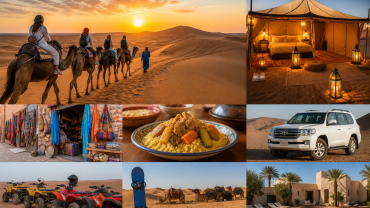
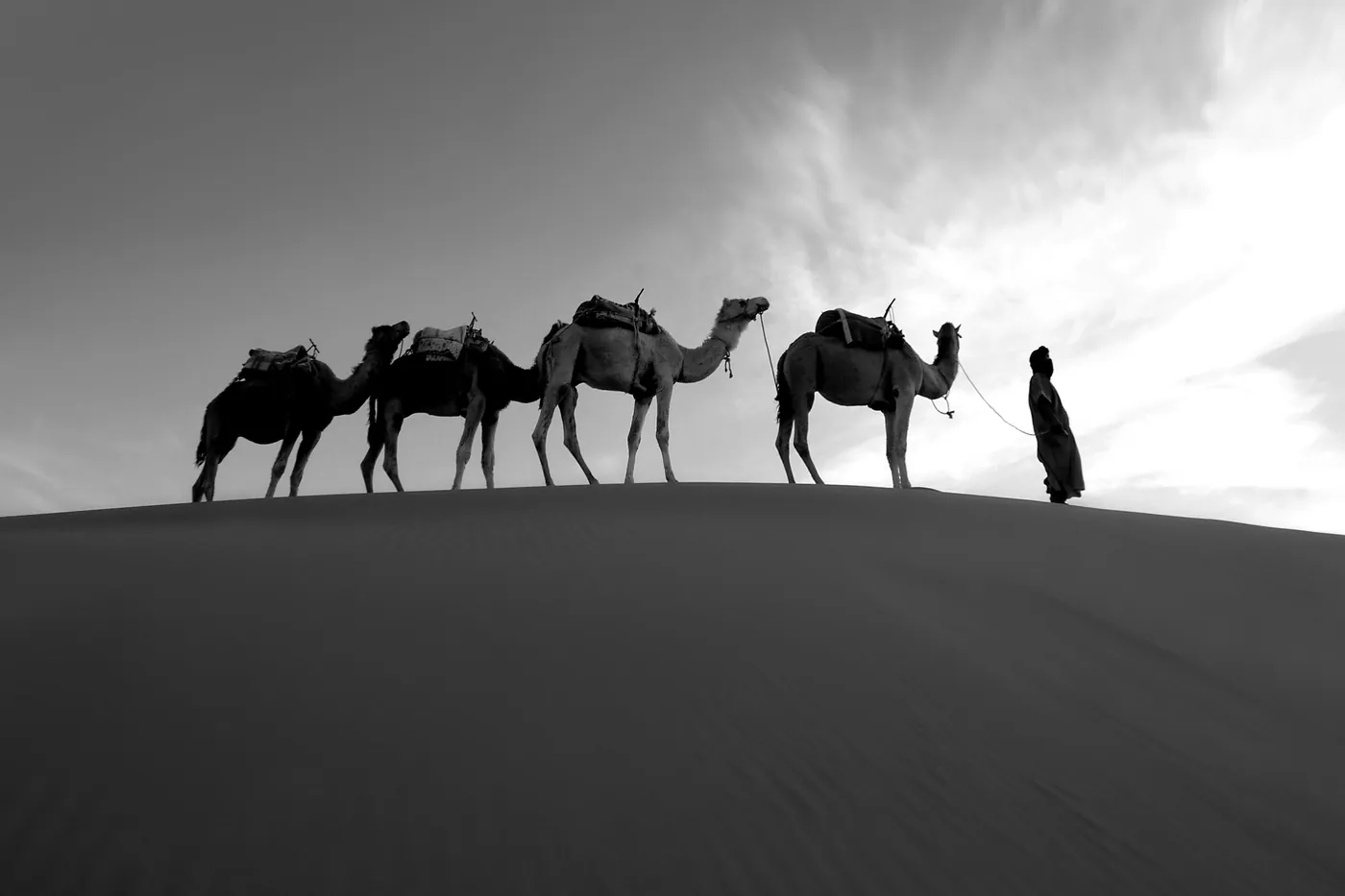
This is the one stretch of the year where you don’t need to plan your itinerary around the clock. Camel trekking is comfortable at any hour, not just sunrise and sunset. Sandboarding and dune walking don’t require ducking the midday sun the way they do in summer. 4×4 and quad-bike excursions can run a full day without the heat-management planning that peak summer demands. Stargazing stays reliable too — shoulder-season nights are dry and clear without the deep cold that makes a winter astronomy session a bigger commitment.
Shoulder Season for Families and Groups
Families traveling with young children or larger groups tend to benefit the most from Merzouga shoulder season specifically, because the wide margin between comfortable and extreme temperatures gives more room for a schedule to slip without real consequences. A midday nap that runs long, a camel trek that starts later than planned, or a group that moves slower than expected — none of these become a heat-safety issue during shoulder season the way they could in July, or a serious cold-exposure issue the way a delayed winter sunrise trek might be. That flexibility is worth factoring in even if the temperature difference on paper looks modest.
Shoulder Season for Photography
Photographers get a genuine bonus from Merzouga shoulder season beyond comfort. October and November’s lower autumn sun angle produces longer, richer shadows across the dunes than the harsher overhead light of summer, while March and April sunrises tend to be clear and dry without the heat haze that can soften distant shots later in the year. None of the four months is dramatically better than the others for photography specifically — the advantage of shoulder season here is consistency: you’re less likely to lose a shoot to extreme heat shimmer or a socked-in winter cloud bank than at either edge of the calendar.
Sample 3-Day Shoulder-Season Itinerary
A typical shoulder-season visit might look like: Day 1 — arrive in Merzouga by early afternoon, settle in, and take a sunset camel trek into Erg Chebbi with an overnight camp. Day 2 — sunrise back to town, rest through the warm midday hours, then a 4×4 excursion or Khamlia village visit in the cooler late afternoon. Day 3 — a relaxed morning, optional sandboarding session, and departure. Because shoulder-season temperatures don’t force you into a narrow activity window, this schedule has more flexibility than the same itinerary would in July or January.
Choosing Between the Four Shoulder-Season Months
If you have flexibility across all four Merzouga shoulder-season months, the decision usually comes down to two factors: how much warmth you want, and how much you want to avoid crowds. April and October sit at the warmer end and see the most demand. March and November sit slightly cooler and quieter. None of the four is a wrong choice — the differences between them are smaller than the difference between any of them and summer or winter.
- Want the warmest shoulder-season days: October, followed closely by April.
- Want the thinnest crowds: November, followed by early March.
- Traveling with fixed dates around a European school holiday: expect April in particular to be busier and book earlier than you would for the other three months.
- Prioritizing photography light: October and November’s lower autumn sun angle gives an edge over March and April.
This schedule stretches easily to a 4th or 5th day during shoulder season without the itinerary feeling padded — add a longer Khamlia visit for the Gnawa music tradition, a second sandboarding session at a different dune, or simply an extra unhurried evening at camp. That extra flexibility is one of the quieter advantages of traveling in shoulder season: you’re not racing a heat window or a cold snap, so a slightly longer stay costs you comfort tradeoffs, not just money.
How Shoulder Season Compares to a Full Year-Round Breakdown
If you’re weighing shoulder season against the rest of the calendar in more depth — including exactly how each individual month behaves, not just the four shoulder-season months — our Merzouga weather by month guide breaks down all twelve months with specific temperature data and activity notes.
How Reliable Are These Shoulder-Season Averages?
The temperatures above are long-term averages, not a guarantee for any single trip. A given March week can run a few degrees warmer or cooler than the average, and an occasional wind event can make a normally mild shoulder-season day feel harsher than the numbers suggest. Treat the averages as a reliable guide for choosing which month to book, then check a short-range forecast in the days before you travel to fine-tune your packing rather than relying on the seasonal average alone.
What to Pack for Shoulder Season
Shoulder season is the easiest window to pack for: light, breathable daytime clothing, one warm layer for the evening (a fleece or light jacket is usually enough, not a heavy winter coat), a hat and sunscreen for daytime sun exposure, and closed shoes for the dunes. You won’t need the serious cold-weather layers that January demands, or the extreme sun protection that July requires — shoulder season is the one stretch where a fairly ordinary packing list covers you completely.
Frequently Asked Questions
What months count as Merzouga shoulder season?
March, April, October, and November — the months between summer’s extreme heat and winter’s cold nights, offering the most comfortable balance of daytime and nighttime temperatures.
Which shoulder-season month is best?
April and October are generally the strongest single months, with the most reliably comfortable temperatures. November offers the thinnest crowds if that matters more to you than a few extra degrees of warmth.
How far ahead should I book during shoulder season?
One to two weeks ahead is usually enough to secure your preferred desert camp, though April in particular can get busy around Easter and popular weekends.
What should I pack for Merzouga shoulder season?
Light daytime clothing, one warm layer for the evening, a hat and sunscreen, and closed shoes for the dunes — shoulder season doesn’t require heavy winter gear or extreme summer heat precautions.
Is shoulder season crowded in Merzouga?
It’s thinner than the winter holiday peak, but not crowd-free — April especially can see busier camps around Easter week. November tends to be the quietest of the four shoulder-season months.
Is shoulder season better than summer in Merzouga?
For most travelers, yes. Shoulder season avoids the 40°C+ daytime highs and strict sunrise-or-sunset activity windows that summer requires, at the cost of somewhat higher prices and larger crowds than deep summer.
Is shoulder season good for families with kids?
Yes — the wider comfortable temperature margin gives more flexibility if a schedule slips, which matters more with young children than the exact degree of warmth on any given day.
Conclusion
Merzouga shoulder season earns its reputation honestly: March, April, October, and November consistently deliver the year’s most comfortable balance of daytime warmth and nighttime cool, without forcing your itinerary into a narrow activity window or subjecting you to peak-week crowds. If your travel dates are flexible at all, these four months are worth prioritizing over the more extreme alternatives at either end of the calendar, whether that means shifting a trip a few weeks earlier or later than you originally planned.
Ready to plan your trip? Browse our guided Merzouga desert tours or check our full packing list and trip-prep guide before you go.