English


What Is Erg Chebbi? A Guide to Merzouga’s Dunes begins with a simple distinction: Erg Chebbi is the broad field of Sahara sand dunes, while Merzouga is the nearby village that travelers use as a base. The two names are often used interchangeably in tour descriptions, but knowing the difference makes planning easier.
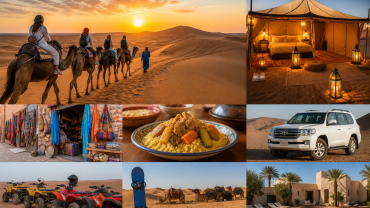
Erg Chebbi is one of southeastern Morocco’s most recognizable desert landscapes. It is the setting for camel treks, sunrise walks, sandboarding, 4WD excursions, and overnight desert camps. Yet the experience is not limited to crossing the dunes. The area also introduces visitors to the communities, music, food, geology, and changing light of the wider Sahara.
This guide explains what Erg Chebbi is, how it relates to Merzouga, what you can do there, when to go, where to stay, and how to visit respectfully. If you are still deciding whether the journey fits your itinerary, you can also read this honest guide to whether Merzouga is worth visiting for a broader overview of the destination.
What Is Erg Chebbi? A Guide to Merzouga’s Dunes
Erg Chebbi is a dune field, or area of wind-deposited sand, in the Moroccan Sahara near the village of Merzouga. In geographic language, an “erg” is a region dominated by sand dunes. The word comes from a North African Arabic term used for sandy desert terrain.
The landscape is not one single mountain of sand. It is a wide area of individual dunes, sandy corridors, flatter stretches, and changing ridgelines. Wind continually moves and reshapes the surface. From one viewpoint, the dunes may look like smooth orange waves; from another, they can appear pale gold, red, beige, or brown depending on the sun, weather, and season.
Erg Chebbi is often described as being near Merzouga rather than inside the village itself. Accommodation is spread across several settings: in Merzouga, along the edge of the dunes, and farther into the sandy area at desert camps. This is why two trips advertised as “staying in Merzouga” can feel quite different.
Erg Chebbi and Merzouga: what is the difference?

Merzouga is a small desert settlement and tourism hub in the Drâa-Tafilalet region of Morocco. It is where many visitors meet local guides, arrange transport, leave larger luggage, or begin an excursion. Erg Chebbi is the natural landscape that surrounds the area and provides the main desert setting.
- Merzouga: the village and practical base for accommodation, restaurants, guides, transport, and local services.
- Erg Chebbi: the dune field visited for desert scenery, walks, camel excursions, 4WD trips, and camps.
- The wider area: villages, rocky desert, seasonal wetlands, fossil-rich landscapes, and cultural sites beyond the main dunes.
When a website describes a “Merzouga camel trek,” the route normally leads into Erg Chebbi. When a traveler says they slept in the “Merzouga desert,” they may have stayed at a camp in or beside the Erg Chebbi dune field. Asking for the camp’s location and the transfer arrangements is useful because the distance from the village affects the character of the stay.
What does Erg Chebbi look and feel like?
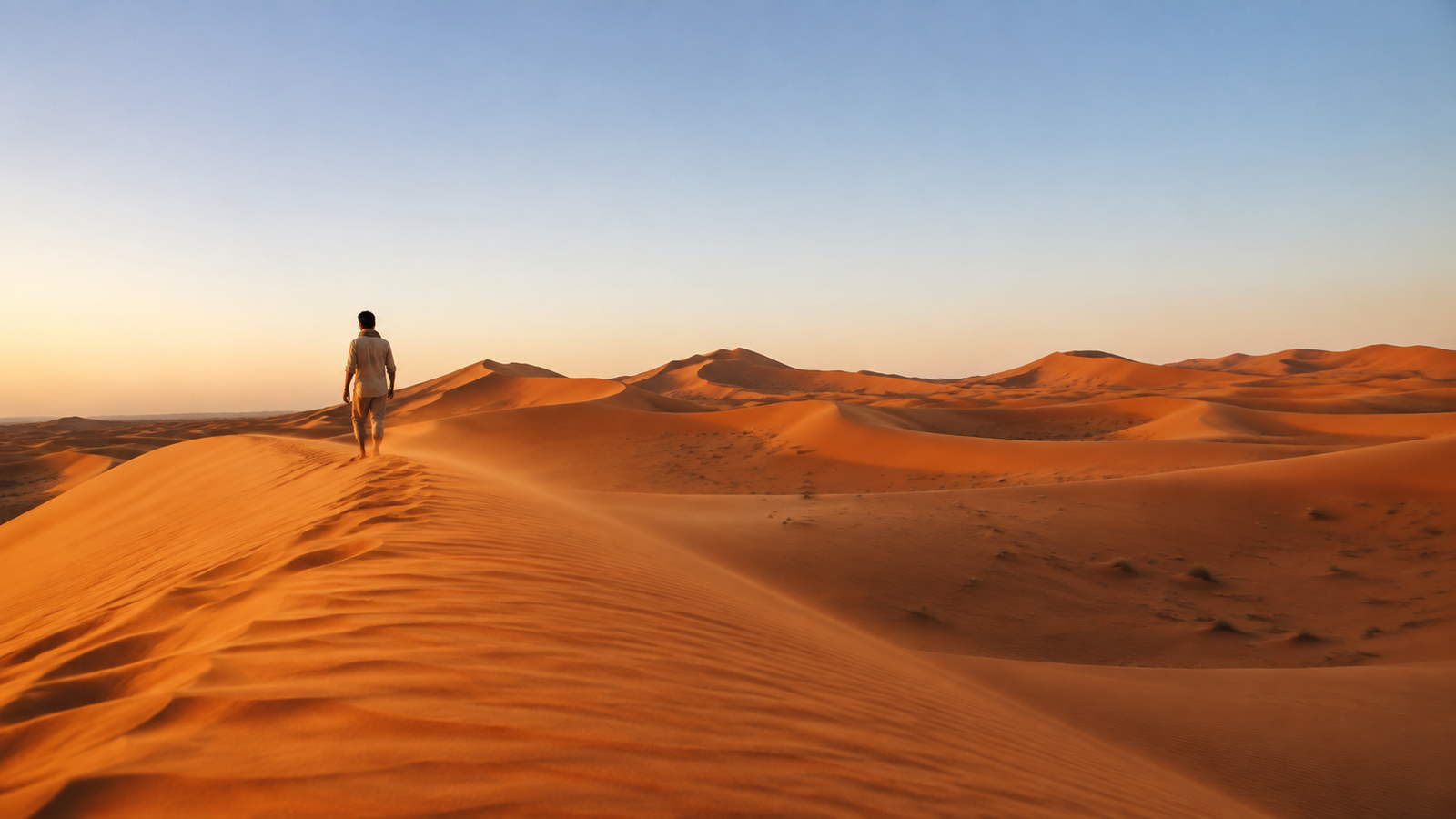
The first impression is usually visual: an open horizon broken by curving sand ridges. But the details become more interesting when you slow down. Dune faces can be smooth on the windward side and sharply cut on the leeward side. Footprints, animal tracks, ripples, and small wind patterns may disappear or reappear after changing conditions.
Light is central to the experience. Around sunrise, the dunes can shift from gray and blue shadows to warm gold. Near sunset, the ridges create long bands of shade, and the landscape may take on deeper orange tones. Midday light is brighter and flatter, but it reveals the scale of the open terrain. At night, the absence of urban brightness can make the sky feel much wider, although cloud and dust conditions affect visibility.
Erg Chebbi is not silent in every moment. Wind moves across the sand, camels make soft steps, camp activity carries across open ground, and nearby communities continue their daily routines. A desert visit is best understood as an encounter with a living landscape, not simply a photo stop.
How was the Erg Chebbi landscape formed?
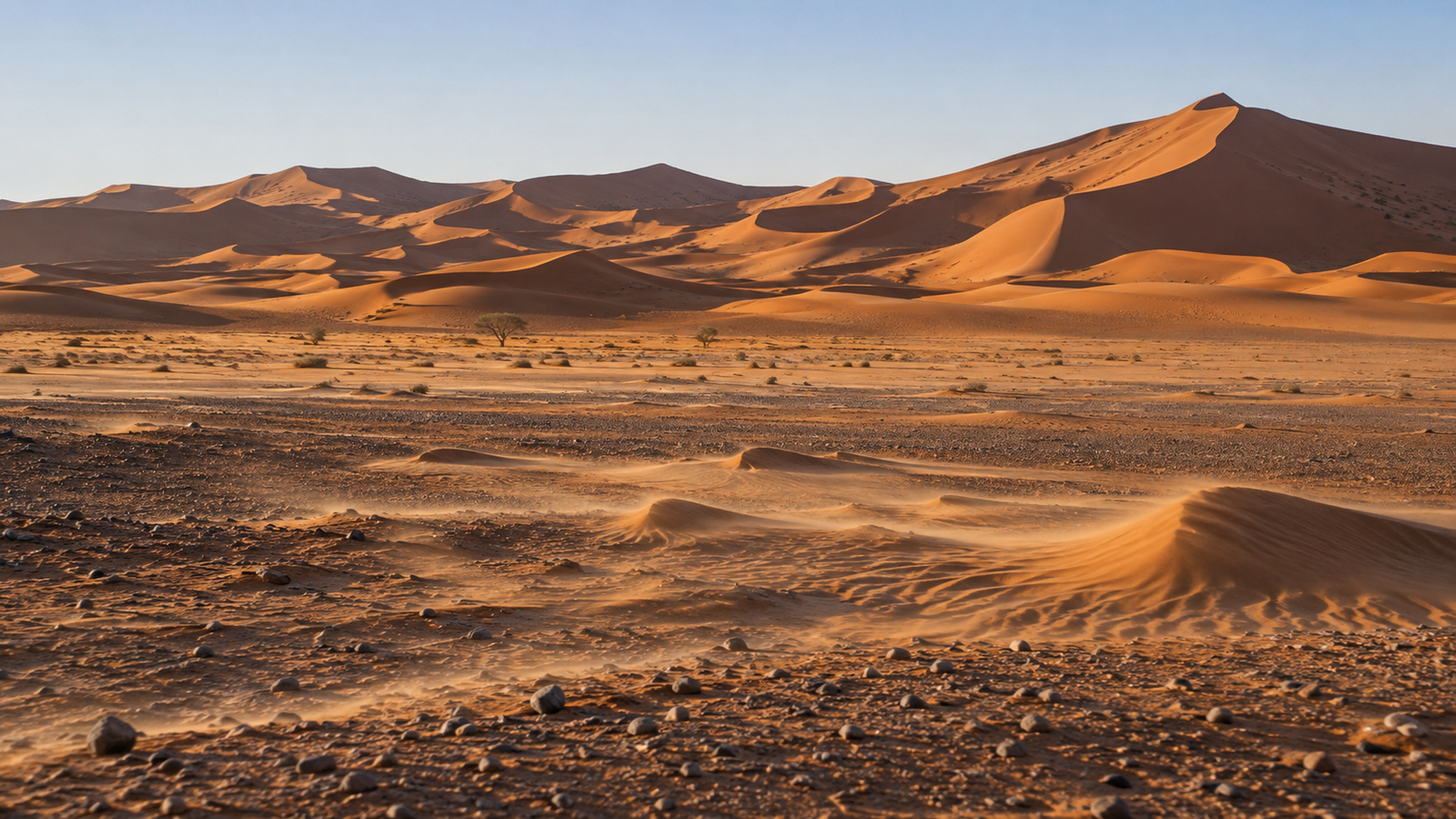
Erg Chebbi’s dunes developed through the accumulation and movement of sand over a long period. Wind transports loose particles across the desert, and when the wind slows or meets an obstacle, sand settles. Repeated movement builds dunes whose shape depends on wind direction, available sediment, moisture, and the surrounding terrain.
The dunes sit within a broader arid environment that includes gravel plains, rocky areas, dry channels, and low vegetation. The contrast between soft sand and hard desert surfaces is part of the region’s character. The dune field is therefore only one element of a larger ecological and geological setting.
Sand is not identical everywhere. Its color and texture can vary according to the minerals and rock sources from which particles originated, as well as weathering and light. The warm colors commonly associated with Erg Chebbi are real, but photographs can intensify them, especially during the low-angle light of sunrise and sunset.
What can you do in Erg Chebbi?
Watch sunrise and sunset
Sunrise and sunset are the easiest ways to experience the changing dunes without committing to a long activity. A guide or camp team can recommend a nearby ridge, or you may watch from a camp terrace or the edge of the sand. If walking alone, remember that similar-looking dunes can make navigation confusing, especially in the dark.
Arrive before the main color change rather than at the exact moment of sunrise or sunset. This gives you time to find a safe position, settle into the landscape, and notice the transition from cool shadow to warm light.
Take a camel excursion
Camel excursions remain one of the best-known ways to enter Erg Chebbi. The pace is slow, allowing you to observe the terrain and experience a traditional form of desert travel. Many visitors ride around sunset, continue to a camp, and return after sunrise, although the exact itinerary varies.
A camel ride is not the same as a long historic caravan journey. Most tourist excursions follow established local routes and are designed around camp transfers and scenic stops. Wear clothing that protects your skin from sun and sand, and ask how long you will be riding if you have concerns about comfort, balance, or previous back and joint problems.
Walk the dunes
Walking gives you more time to notice small details, but loose sand makes even a short climb tiring. A ridge that looks close can require more effort than expected. Carry water, protect your head and shoulders, and avoid starting a long walk during the strongest heat.
For an easy introduction, walk near your accommodation with local advice. If you want to go farther, arrange a guide or agree clearly on a meeting point. GPS can help, but battery life and signal conditions should not be your only safety plan.
Try sandboarding
Sandboarding is possible on suitable dune slopes and is usually arranged through a camp or local operator. The activity requires a short climb and a controlled descent. Sand is softer than rock, but falls can still cause injury, particularly if equipment is used incorrectly or the slope is crowded.
Ask whether boards are provided, where the activity takes place, and whether an instructor will explain how to stop. Closed footwear or secure sandals can make the uphill walk more comfortable.
Explore by 4WD
A 4WD excursion can show you more than the central dunes in a limited amount of time. Routes may include broad sandy tracks, rocky desert, viewpoints, local communities, and other natural features. The experience depends heavily on the driver’s knowledge and the itinerary you select.
Before leaving, confirm how long the excursion lasts, what stops are planned, whether meals or drinks are included, and whether the route is shared with other travelers. A vehicle trip is particularly useful for visitors who do not want to ride a camel or who have limited mobility, although the terrain can still be bumpy.
Listen to music and share a camp meal
Many desert camps include an evening meal and music. These moments can be a meaningful part of the visit when presented as an invitation to learn rather than as a staged performance disconnected from local life. Ask about the people hosting the experience and listen respectfully if local musicians or community members share songs and stories.
Food commonly reflects Moroccan cooking, but menus vary by camp. Tell your host about allergies and dietary needs in advance. Bring a small personal snack if you have strict requirements, while still treating the shared meal as part of the cultural experience.
What is an overnight camp in Erg Chebbi like?
Camp standards vary widely. Some camps offer simple tents and shared facilities, while others provide more private accommodation and additional comforts. “Luxury camp” is not a universal category, so read the description carefully and ask specific questions before booking.
Useful questions include:
- Is the tent reached by camel, 4WD, or both?
- Are bathrooms private, shared, inside the tent, or in a separate building?
- Is electricity available throughout the night, and can devices be charged?
- Are bedding, towels, meals, drinking water, and transfers included?
- How many guests share the dining and common areas?
- What happens if weather or road conditions affect the transfer?
Temperatures can change quickly after dark. Even when the afternoon feels hot, the night may be cold, particularly in winter. A warm layer, comfortable sleepwear, and a small day bag are more useful than carrying all your luggage into camp. Your Merzouga packing list and trip-preparation guide can help you organize what to bring.
When is the best time to visit Erg Chebbi?
The best time depends on your tolerance for heat, cold, wind, and crowds. Spring and autumn are often attractive for travelers who want to spend time outdoors without the most intense summer temperatures. Winter can offer clear, comfortable daytime conditions, but early mornings and nights may be distinctly cold. Summer is very hot, so activity timing and access to shade and water become especially important.
There is no single perfect month for everyone. A photographer may prioritize low-angle light, a family may prioritize manageable temperatures, and a traveler planning a camel trek may prefer conditions that make riding comfortable. For month-by-month considerations, see the guide to the best time to visit Merzouga.
Wind can also shape the experience. A breezy day may create attractive patterns in the sand but make visibility and comfort less predictable. Ask your accommodation or operator about the current forecast rather than relying only on a general seasonal description.
How do you get to Erg Chebbi?
Most visitors reach the area overland from another Moroccan destination. Common starting points include Marrakech, Fès, and Errachidia. The journey is part of the itinerary: distances are substantial, roads cross changing landscapes, and the final approach to Merzouga feels different from arriving in a major city.
Errachidia is generally the closest major airport area, while Marrakech and Fès involve longer overland travel. Some travelers use a private transfer, a shared vehicle, a rental car, or a multi-day route that includes other stops. If you are comparing options, use the site’s guide to routes to Merzouga from Marrakech, Fès, and Errachidia; the practical information is relevant even if you are reading in English.
Confirm the final meeting point with your accommodation. “Merzouga,” “the desert,” and “the camp” may refer to different locations. Ask where you should arrive, who will meet you, how long the transfer takes, and where larger bags can be stored if the camp transfer uses a camel or smaller vehicle.
What should you pack for Erg Chebbi?
Pack for contrast rather than for one temperature. Lightweight, breathable clothing is useful during the day, while a fleece or warm jacket helps after sunset and before sunrise. A scarf or buff can protect your face and neck from sun and blowing sand. Sunglasses, sunscreen, lip balm, and a refillable water bottle are practical basics.
- Closed, comfortable footwear for walking on loose sand.
- Warm layers for winter nights and early mornings.
- A small overnight bag for camp, if your main luggage stays in Merzouga.
- A headlamp or phone light, used carefully in dark areas.
- Power bank and any essential medication.
- Reusable water bottle and personal toiletries.
- Loose clothing that is comfortable for camel riding and respectful in local communities.
Avoid bringing fragile items that can be damaged by sand. Keep cameras and phones protected when wind is strong, and clean equipment according to the manufacturer’s guidance rather than forcing grit into ports or lenses.
How should visitors behave responsibly?
Erg Chebbi is a natural landscape and a home region for local communities, not an empty backdrop. Stay on established routes when practical, do not remove rocks or plants, and carry rubbish back to an appropriate disposal point. Use water thoughtfully, particularly where a camp relies on limited local supplies.
Ask before photographing people, homes, musicians, or private activities. Buying locally made goods, using local guides, and choosing accommodation that explains its environmental practices can help keep more value in the destination. Responsible travel is not only about avoiding damage; it is also about treating residents as hosts and partners rather than scenery.
Animal welfare matters during camel excursions. Look for operators that handle animals calmly, provide rest, and answer questions about their care. If the ride feels unsafe or the animals appear distressed, speak with the guide and consider choosing a different activity.
Is Erg Chebbi suitable for every traveler?
Many people can enjoy the dunes, but the terrain is physically demanding in ways that are easy to underestimate. Walking uphill in loose sand is tiring, camel riding can be uncomfortable, and 4WD transfers may involve bumps. Families should ask about child seating and activity durations. Travelers with limited mobility should discuss access with the camp or operator before booking rather than assuming that every tent or dune viewpoint is accessible.
Heat, dehydration, dust, and cold nights are the main practical concerns for many visitors. Follow local advice, drink water regularly, pace yourself, and tell your guide about medical needs. If you take prescription medication, keep it in your personal bag instead of checked luggage or a vehicle storage compartment.
Solo travelers can visit, but clear arrangements are especially important in a landscape where landmarks repeat. Share your itinerary, follow the camp’s guidance, and avoid wandering far from accommodation without telling someone where you are going.
How many nights should you spend there?
One night is enough for a first introduction: arrive near Merzouga, enter the dunes, watch sunset, enjoy dinner and an evening gathering, then see sunrise before continuing your journey. This schedule can feel rushed if the overland trip to Merzouga is long or if you want time to rest.
Two nights create more flexibility. You can include a camel excursion or 4WD trip without packing every activity into the arrival and departure days. You may also have time to explore the village area, speak with a local guide, or simply sit quietly and observe the landscape.
Longer stays suit travelers interested in photography, slow travel, cultural visits, or combining Erg Chebbi with other attractions in the region. The right length is the one that allows you to experience the desert without turning every hour into a transfer.
Erg Chebbi beyond the famous dunes
Although the sand is the main attraction, the wider Merzouga area offers a more varied picture of southeastern Morocco. Depending on conditions and your itinerary, a local excursion may include rocky desert viewpoints, small settlements, seasonal water areas, or places connected with the region’s fossil and geological history.
Local knowledge makes these visits more meaningful. A guide can explain how people live in an arid environment, how routes connect settlements, and how seasonal changes affect water, grazing, and wildlife. Do not assume that every nearby site is open or accessible at all times; conditions, private land, and local arrangements can change.
Common misconceptions about Erg Chebbi
“Erg Chebbi is the whole Sahara.”
It is one dune field within the much larger Sahara, not the entire desert. The Sahara spans several countries and includes many different environments beyond sandy ergs.
“Merzouga is inside the dunes.”
Merzouga sits beside the main dune landscape and functions as a gateway. Some accommodation is in the village, some is at the desert edge, and some is farther into the sand.
“A camel ride is the only authentic option.”
Camel travel is an important and memorable way to experience the area, but walking, meeting a local guide, learning about desert life, and traveling by 4WD can also be valuable. Authenticity is not created by one required activity.
“All desert camps are alike.”
They are not. Facilities, access, privacy, group size, food, and environmental practices differ. Ask detailed questions and choose according to your priorities.
A simple first-time itinerary for Erg Chebbi
Arrival day: Reach Merzouga or your agreed meeting point, leave any unnecessary luggage, and confirm your transfer. Enter the dunes in the afternoon, take a camel excursion or walk, and watch the sunset from a safe viewpoint.
Evening: Have dinner at camp, learn about the evening program, and spend time outside if conditions are comfortable. Keep a warm layer nearby and protect your phone or camera from sand.
Next morning: Wake before sunrise, watch the light change, and have breakfast. Return to Merzouga by the arranged method, then continue by transfer or begin a second activity if you have planned an additional night.
Optional extra day: Choose a 4WD route, a guided walk, or a cultural excursion rather than trying to repeat every activity in one afternoon. Leave space for rest; the desert is best appreciated at a slower pace.
Planning your visit to Erg Chebbi
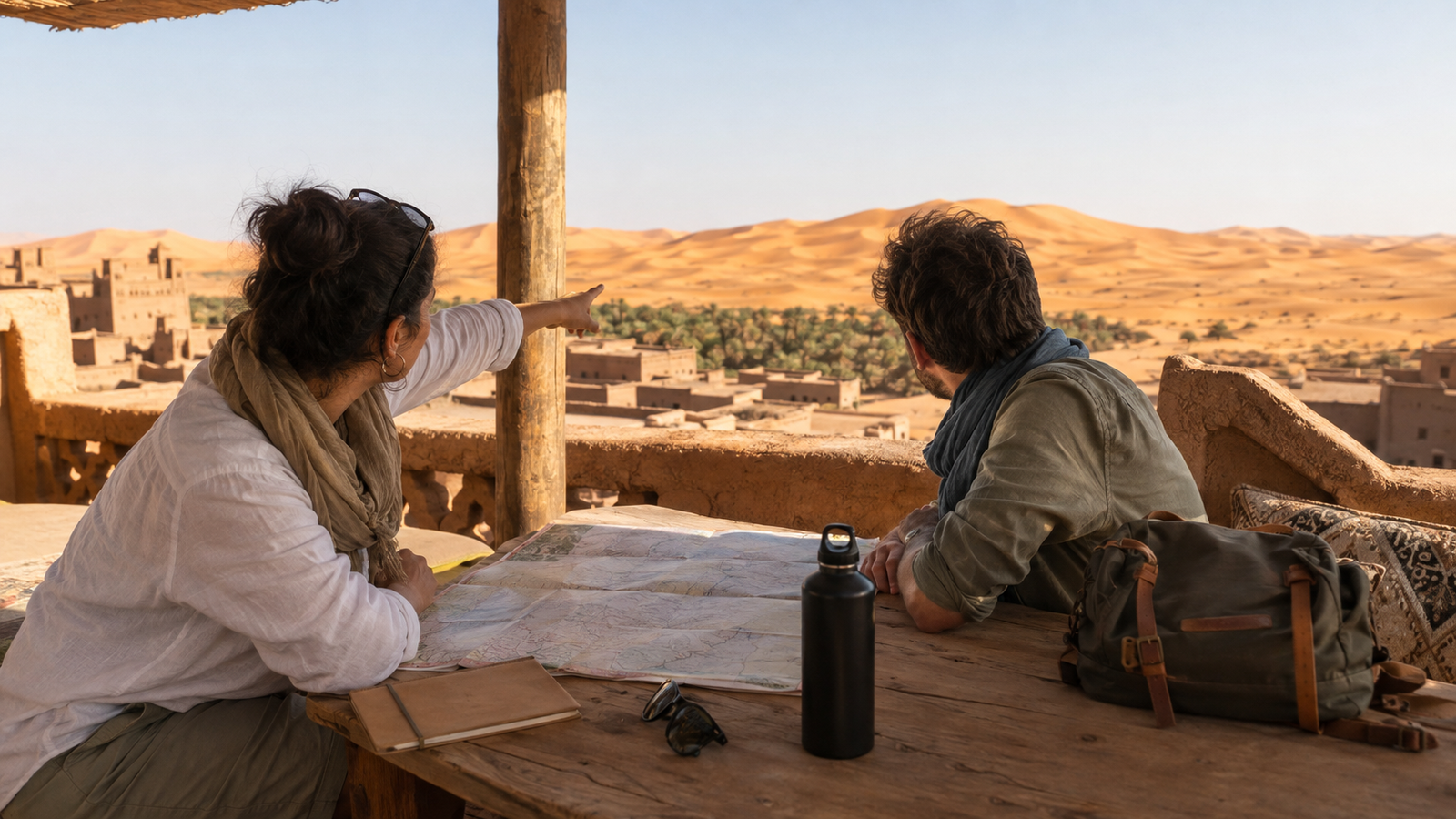
Now that you know what Erg Chebbi is, focus on the practical details that shape the experience: the season, the route to Merzouga, the location and facilities of your camp, and the activities you genuinely want to do. A well-planned visit does not need to be packed with options. Often, the most memorable parts are simple—a quiet walk on a ridge, a conversation over tea, or the gradual change of color before sunrise.
When comparing tours and stays, ask what is included and who provides each service. Confirm transfers, meals, bedding, bathrooms, luggage storage, activity duration, and weather procedures. If you want a more tailored experience, contact a local Merzouga travel service with your arrival point, preferred comfort level, mobility needs, and ideal number of nights.
Erg Chebbi offers a clear sense of place because the dunes are visually dramatic, but its appeal goes beyond the photograph. Understanding the landscape and meeting it with patience, preparation, and respect will give you a richer Sahara experience.
Frequently Asked Questions
What is Erg Chebbi?
Erg Chebbi is a large field of wind-shaped sand dunes in southeastern Morocco, located beside Merzouga in the Sahara. It is one of the country’s best-known desert landscapes.
Is Erg Chebbi the same as Merzouga?
No. Merzouga is the nearby village and travel base, while Erg Chebbi is the dune field beside it. Many tours marketed as Merzouga desert tours take place in Erg Chebbi.
How high are the dunes in Erg Chebbi?
Dune heights vary across the field. Some rises are modest, while the largest dunes create prominent viewpoints and require a demanding climb over loose sand. Exact heights can differ by source and location.
Can I visit Erg Chebbi without riding a camel?
Yes. You can explore by walking, 4WD, sandboard, or a combination of activities. A camel ride is traditional, but it is not necessary to experience the dunes.
What is the best time to visit Erg Chebbi?
Spring and autumn are often comfortable choices because daytime conditions are generally more manageable than in the hottest part of summer. Winter can be pleasant during the day but cold at night. Check seasonal conditions before booking.
Where do visitors stay in Erg Chebbi?
Most travelers stay in a hotel, guesthouse, or desert camp around Merzouga and the edges of the dune field. Camp locations and facilities vary, so confirm what is included before reserving.
How long should I spend in Erg Chebbi?
A night or two gives most visitors time for a sunset or sunrise, a desert activity, and a more relaxed experience. Longer stays allow more time for nearby villages, landscapes, and rest.